
BILBAO 2026
15 April, 8:00 pm–17 April, 1:30 pm
ELFA Annual General Meeting and Conference, Bilbao, 15–17 April 2026
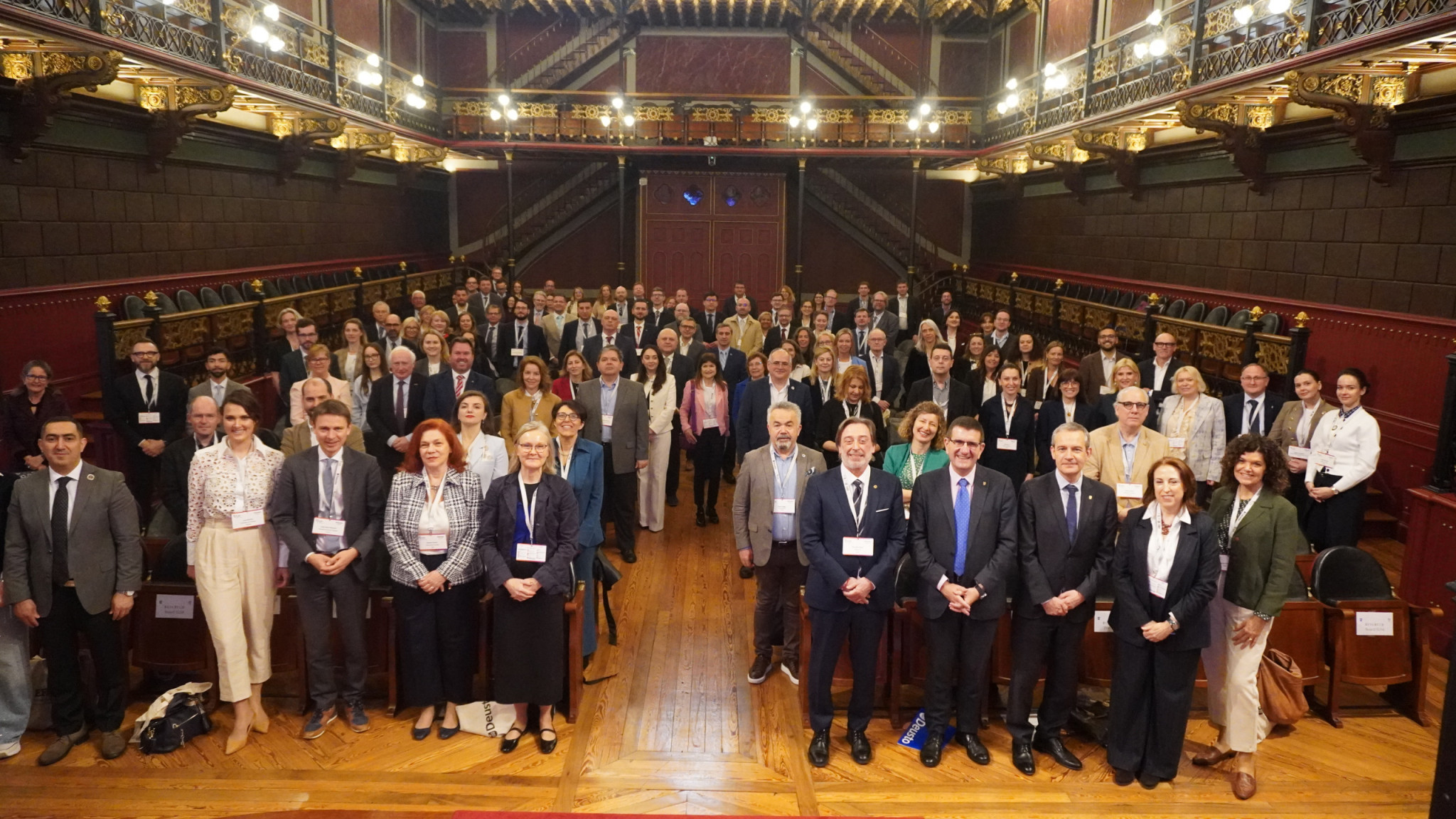
The European Law Faculties Association held its Annual General Meeting and Conference 2026 at the University of Deusto in Bilbao from 15 to 17 April, bringing together academics, legal educators, practitioners and students from across Europe and beyond. Under the theme Artificial Intelligence and Legal Education: Exploring the impact of AI on legal education and professions, the event offered three days of rich intellectual exchange and productive networking, all framed in one of Spain’s most vibrant and culturally distinctive cities.
Participation this year was notably broad. Delegates attended from universities and institutions spanning more than 30 countries, reflecting the truly international character that ELFA has steadily built since its foundation in 1995.
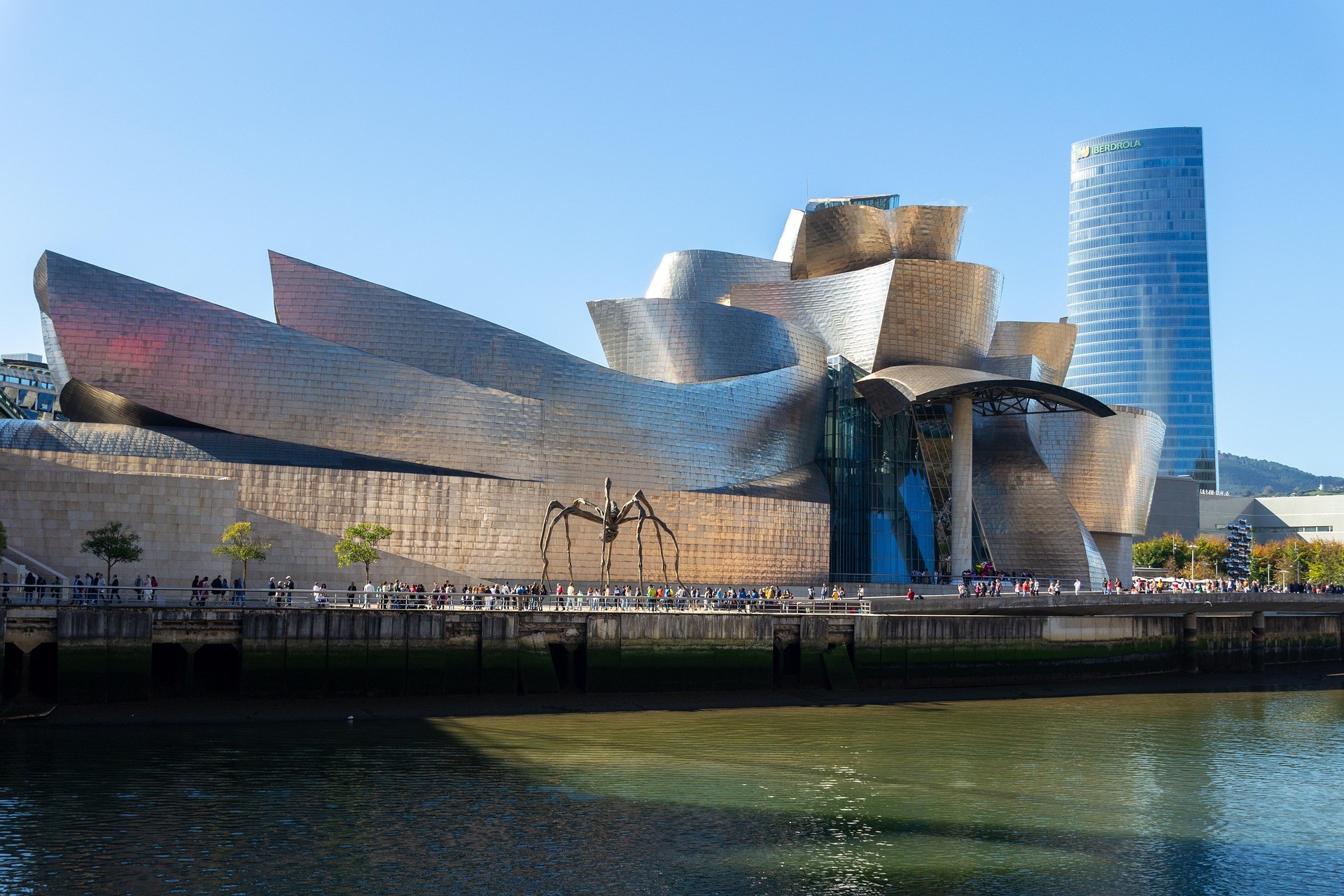
The Conference opened on the evening of Wednesday, 15 April, with a welcome reception at the Bistró Guggenheim Bilbao, located within the iconic Guggenheim Museum, one of Europe’s most celebrated contemporary art spaces.
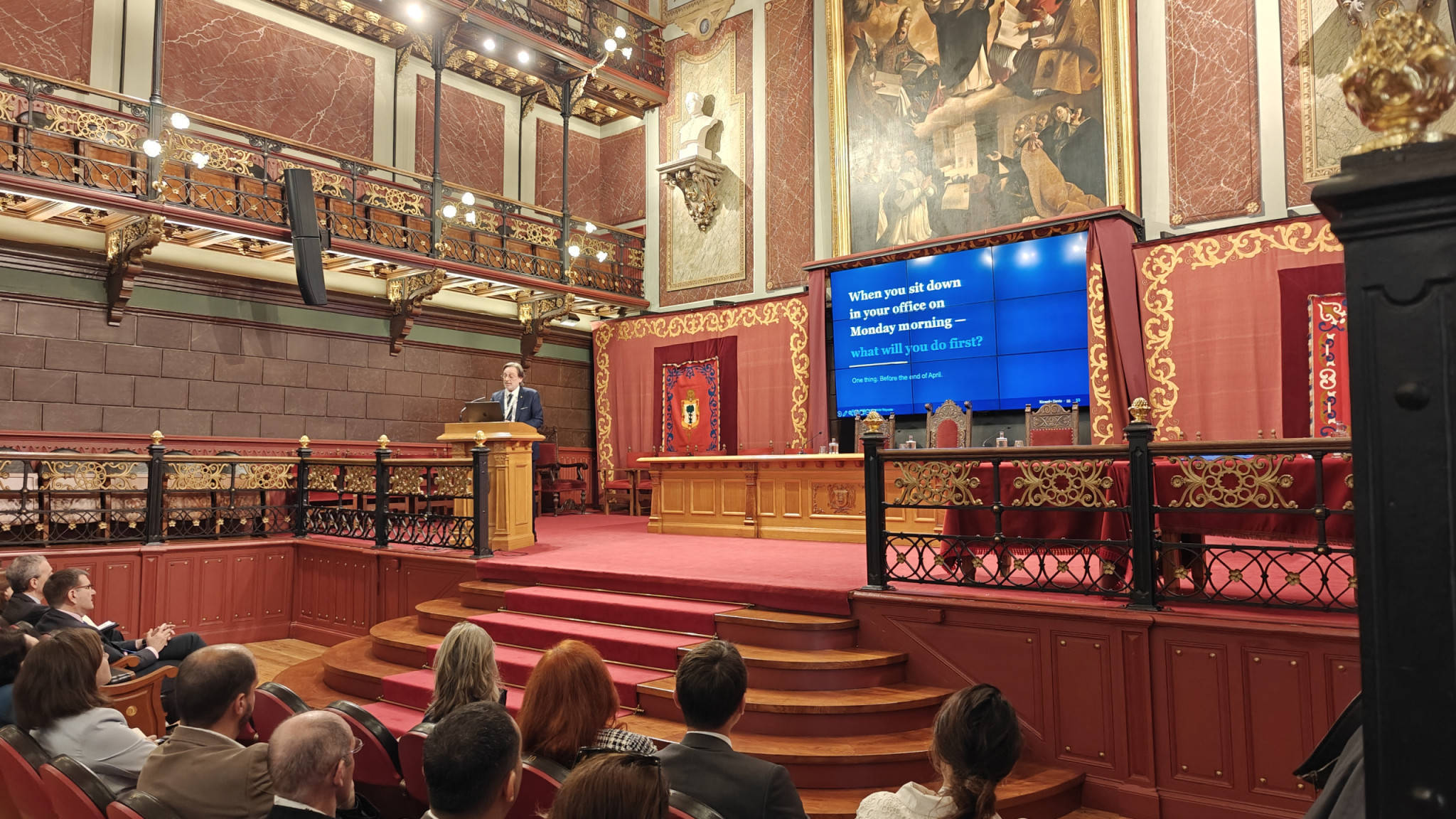
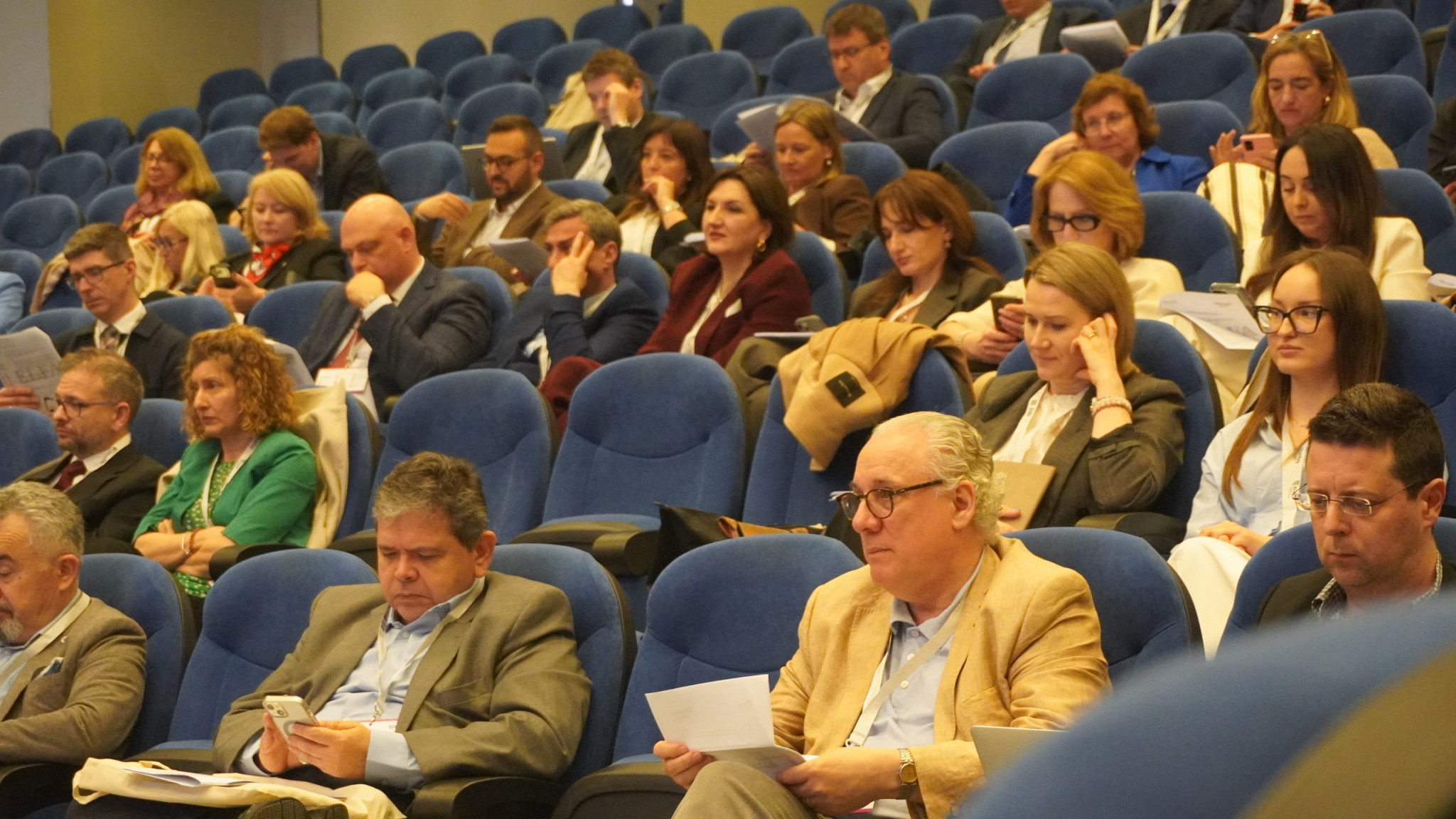
The academic sessions on Thursday took place at the historic Paraninfo of the University of Deusto, beginning with an institutional welcome from the Rector of the University, Juan Jose Etxeberria, the Dean of Deusto Law School, Jose Ramon Intxaurbe, and ELFA President Gema Tomás. The keynote address, which opened the Thursday programme, was delivered by Ricardo Devis, founder of Bilbao AI, under the title “Are We Asking the Right Questions? Rethinking Legal Education in the Age of AI”, a vibrant and intellectually stimulating provocation that set the tone for two days of substantive debate.
The intellectual core of the conference was structured around four thematic panels, each addressing a different dimension of the relationship between artificial intelligence and law.
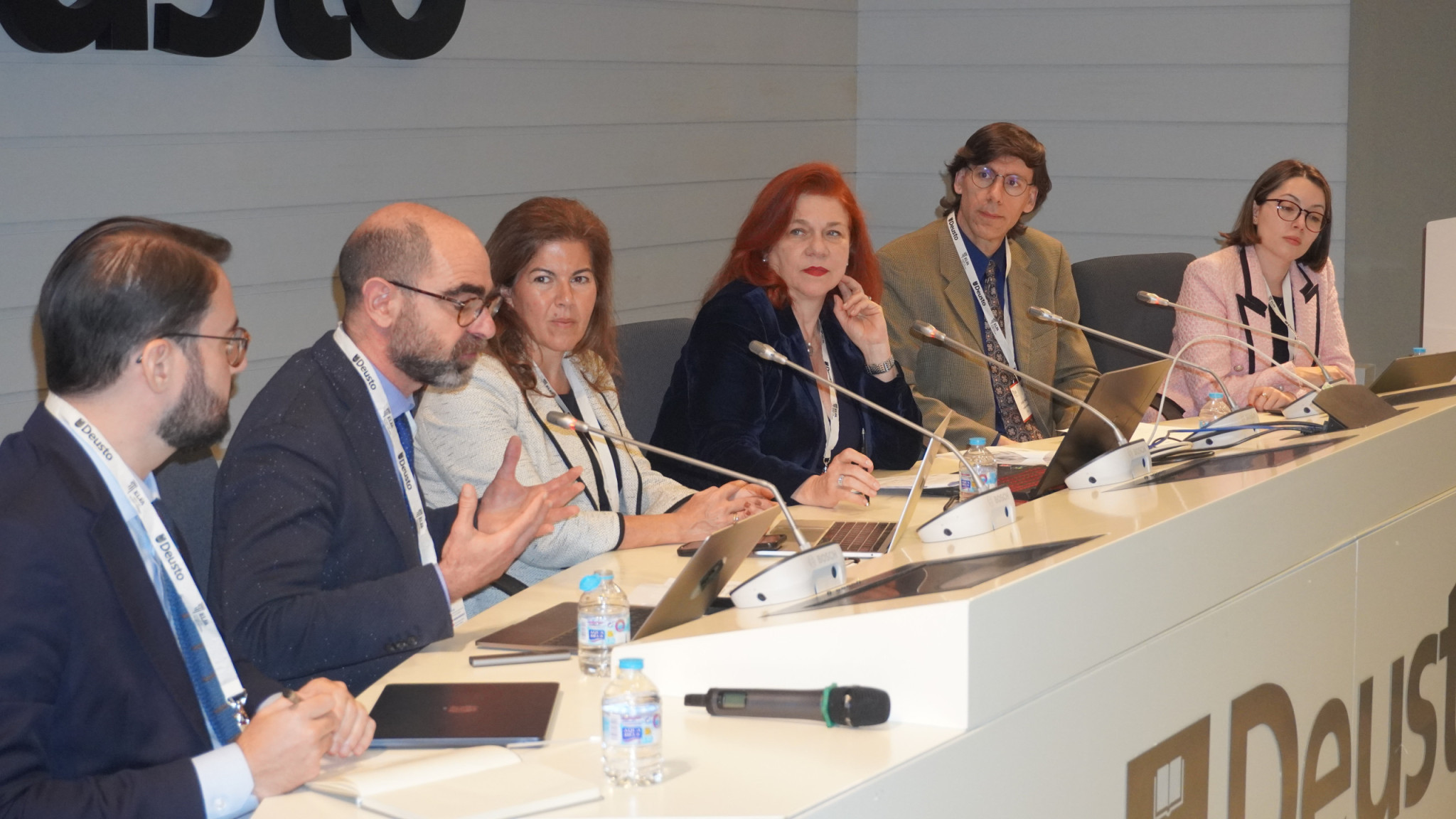
The first panel, on Thursday morning, examined AI and legal learning in law schools. Speakers explored how law faculties are already integrating AI tools into their teaching environments and what pedagogical adjustments this integration demands.
The second panel, held on Thursday afternoon, addressed the potential, risks and challenges of AI in law schools. This session brought together perspectives ranging from the experience of large private law schools to that of institutions operating in more constrained regulatory environments. The discussion engaged with questions of academic integrity, critical thinking, and the risk that over-reliance on AI-generated content may undermine the very analytical skills that legal education is designed to develop.
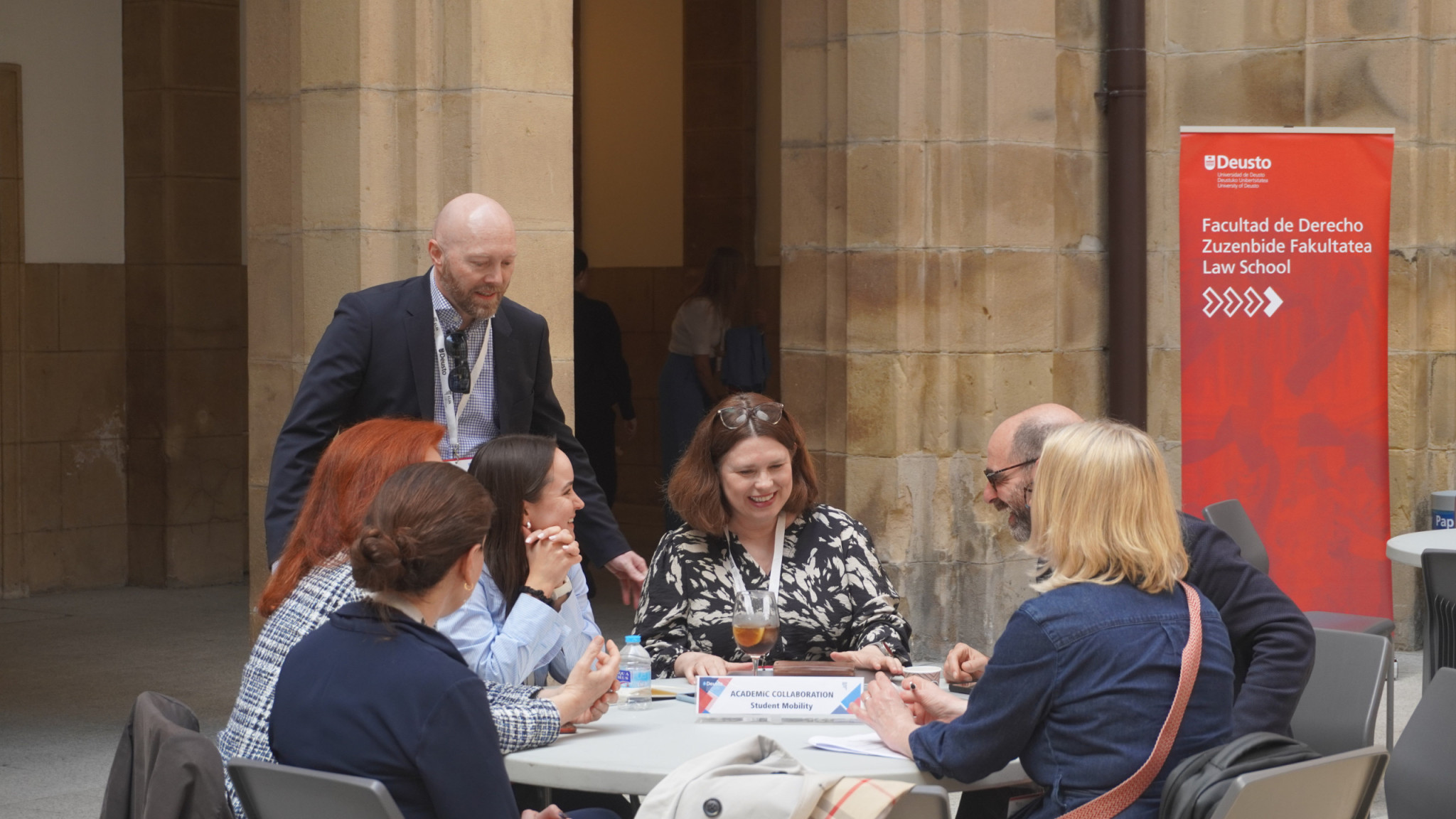
A new feature of this year’s Conference was the Collaboration Hub, an open networking session held on Thursday afternoon at the Auditorio Cloister. Designed to facilitate connections between member faculties for joint research projects, Erasmus partnerships and other academic initiatives, the Hub gave concrete expression to one of ELFA’s central purposes: not merely to convene, but to build lasting cooperation between institutions. It is an initiative ELFA intends to develop further in future editions.
The programme also included the presentation of the ELFA Award, coordinated as in previous years by Professor Laurence W. Gormley of the University of Groningen, ELFA’s former President. Congratulations are due to this year’s prize winners, and sincere thanks go to Professor Gormley and the members of the jury — including Professor Markus W. Gehring of the University of Cambridge — for their commitment to recognizing excellence in legal scholarship.
The day closed in equally memorable fashion: delegates sailed along the river Nervión on the Bilbao estuary to the conference dinner at the Real Club Marítimo del Abra.
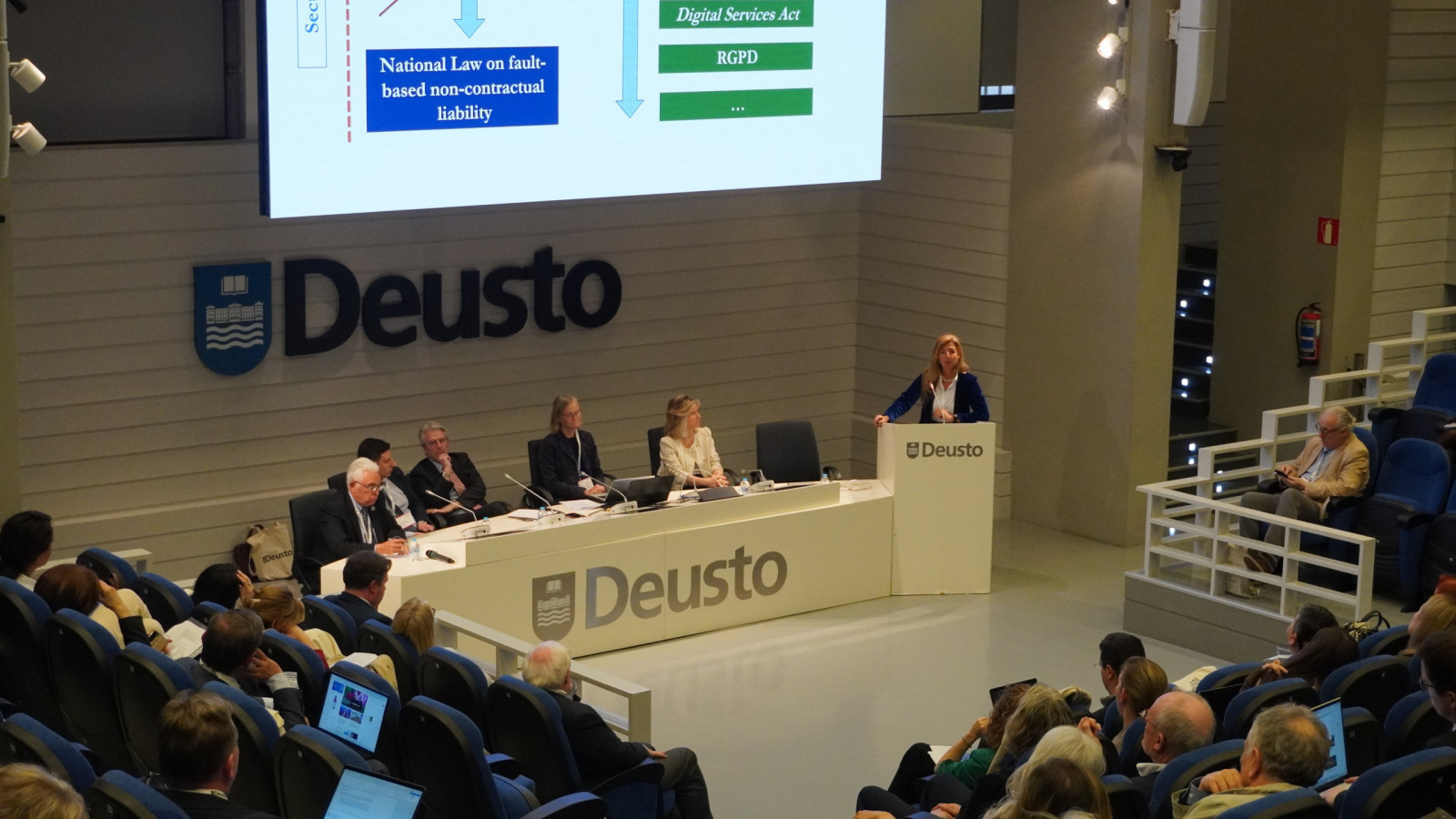
On Friday morning, the third panel turned to legal experience with the use of AI, in which speakers shared concrete examples of how AI is already being used -or resisted- in legal practice, research and teaching.
The fourth and final panel considered the legal professions facing the AI challenge. The discussion ranged from the experience of in-house legal departments managing AI tools to broader questions of accountability, transparency and the protection of fundamental rights in AI-assisted legal decision-making.
The Annual General Meeting took place on Friday, 17 April, and addressed a full agenda of institutional matters.
The President’s Report for 2025–2026 was presented and approved. The financial report for 2025 and the budget for 2026 were both presented by the Treasurer and approved without objection. The AGM also formally adopted the ELFA Resolution 2026, which represents the Association’s collective response to the challenge posed by artificial intelligence to legal education and the legal professions. The Resolution was approved, with the addition of comments offered by members present.
Regarding Board elections, the AGM elected Barbara Pozzo (Università degli Studi dell’Insubria) as the new President of ELFA for 2026–2027, and Izabela Kraśnicka (University of Bialystok) as First Vice-President. Elif Küzeci (Bilkent University, Turkey) was elected as a new member of the Board in the position of Vice-President. Lukas Rass-Masson, Lana Bubalo and Ovidiu Ioan Dumitru remain in their respective positions as Vice-President Treasurer, Vice-President Secretary, and Vice-President.
Outgoing President Gema Tomás expressed gratitude to the entire Board and Secretariat, and to the University of Deusto for hosting an event that, by any measure, achieved its ambitions. She specially thanked Jivko Draganov, ELFA President 2024-2025, who now leaves the Board.
The Bilbao Conference demonstrated, once again, that legal education in Europe -and indeed beyond- is a living, contested and collaborative enterprise. The questions raised over these three days will not be resolved quickly, but they were asked with rigour, honesty and a genuine sense of shared responsibility. ELFA looks forward to continuing this work with its members in the year ahead.
The Bilbao Conference demonstrated, once again, that legal education in Europe -and indeed beyond- is a living and collaborative enterprise. If anything, the scale of AI-driven change makes that spirit of cooperation more necessary than ever. Yet perhaps the most enduring lesson of these three days was that no algorithm substitutes the connections that are made in person and that lay the groundwork for genuine long-term collaboration. ELFA looks forward to continuing this work with its members in the year ahead.